
Australia has long been considered one of the most liveable countries in the world, but the cost of living in Australia: what to expect in 2025 is a question on the minds of many. With inflation, housing challenges, and global uncertainty, Australians and newcomers alike are reassessing their financial situation. This blog breaks down current trends and projections, enabling you to better prepare for the year ahead.
1. What Does “Cost of Living in Australia in 2025” Mean?
The cost of living in Australia in 2025 refers to the average expenses required to maintain a basic lifestyle, including housing, food, transportation, healthcare, and utilities. As economic conditions fluctuate, these costs change too, impacted by inflation, wages, and government policies. For individuals, understanding this concept means being better prepared for everyday expenses and budgeting accordingly.
2. How Much Are Prices Rising? 2024–25 Inflation Snapshot
The Australian Bureau of Statistics reported that inflation rose by around 3.6% in early 2025. While this is lower than the post-pandemic spikes, it still affects household budgets. Essentials such as rent, food, and energy are seeing modest to significant increases, tightening spending power for many Australians. Wage growth is happening but is often not keeping pace with rising living expenses.
3. Housing Costs: A Major Share of the Budget
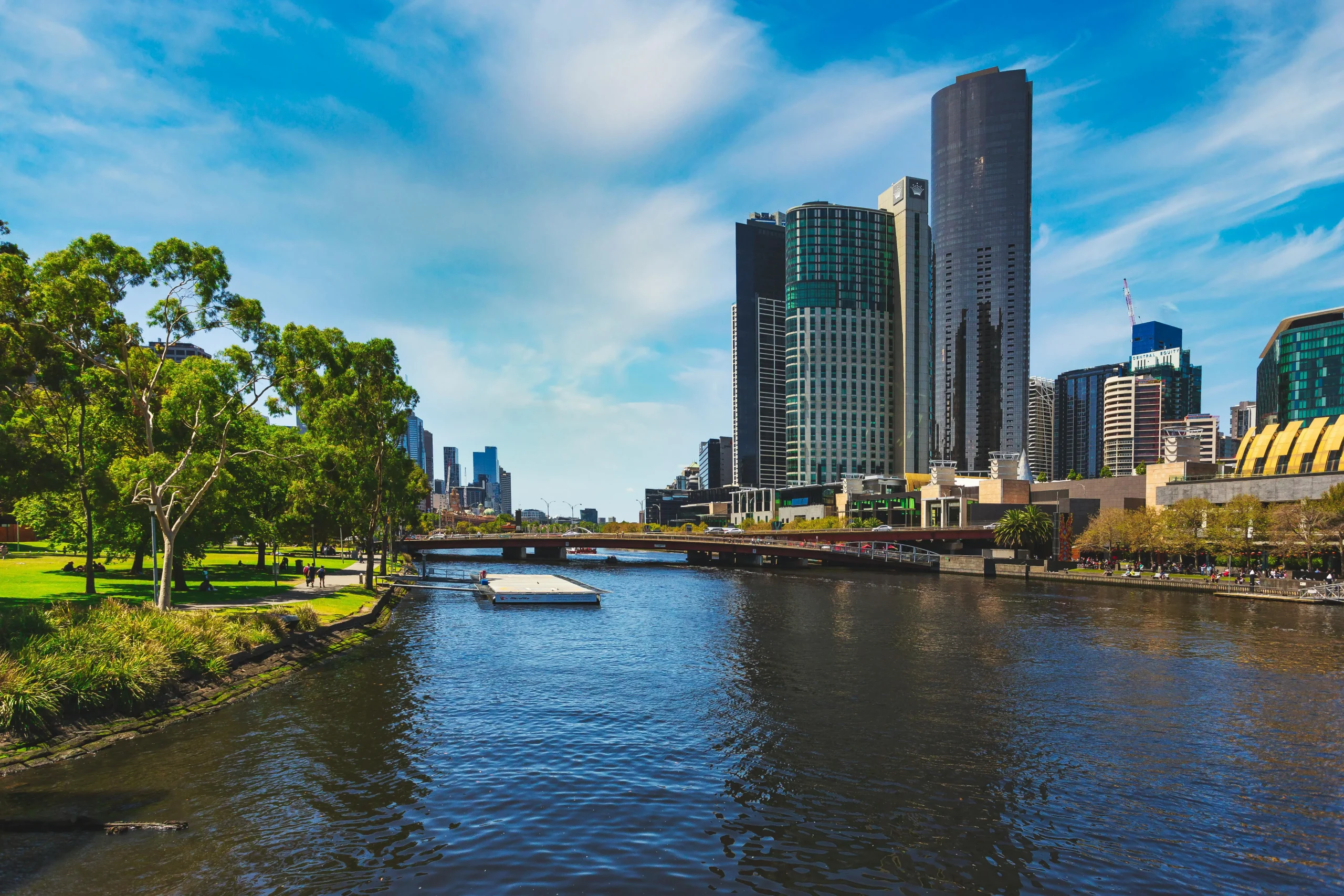
Housing remains the single largest expense in the cost of living in Australia: what to expect in 2025. Renting a one bedroom apartment in Sydney now averages around AUD 2,800 per month, while Melbourne stands close behind at AUD 2,300. Even regional cities are feeling the pinch, with demand for housing increasing but supply remaining limited.
Home ownership remains a dream for many, especially first home buyers, as property prices continue to surge due to high demand and limited availability. While some government incentives are available, they are not enough to curb the overall burden.
4. Utilities & Internet: What You’ll Pay
Utility costs in 2025 vary slightly by state, but households generally spend around AUD 300–350 monthly. This includes electricity, gas, and water. Internet packages cost approximately AUD 70–90 per month depending on the speed and provider. Government rebates have been introduced in some areas to ease the pressure, especially during peak energy usage seasons.
5. Groceries & Daily Essentials
The cost of living in Australia is also impacted by grocery prices, which continue to rise due to transportation and supply chain issues. A loaf of bread now averages AUD 4.50, a litre of milk around AUD 2.80, and a dozen eggs over AUD 6. While shopping at local markets or discount stores can help, most families are reporting a 10–15% increase in monthly grocery bills compared to 2024.
6. Transport & Mobility
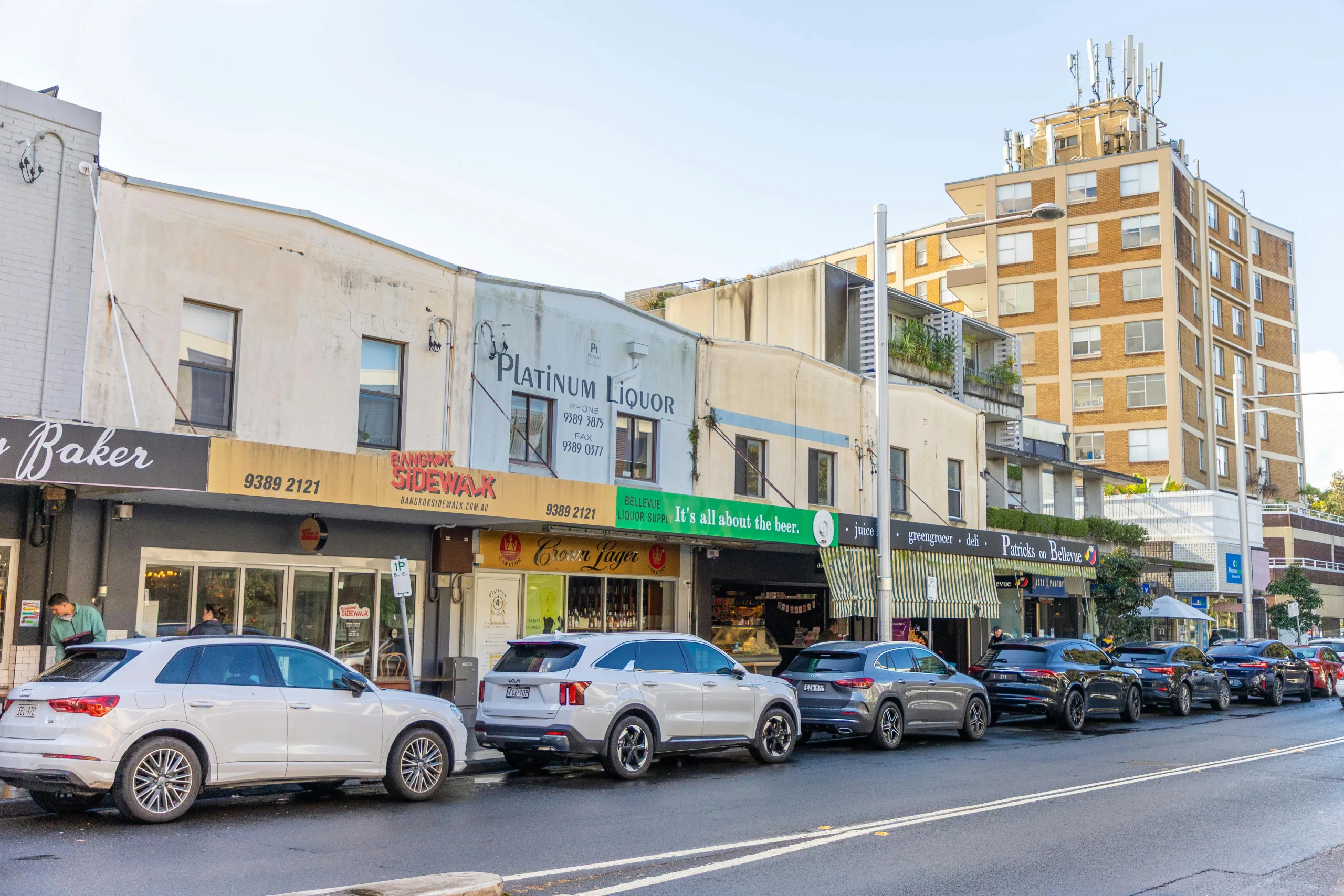
In major cities, public transportation costs are a significant monthly expense. Sydney and Melbourne charge around AUD 160–200 per month for regular users. However, some states like Queensland are experimenting with flat 50¢ fares to improve affordability. Owning a car brings additional costs like insurance, registration, fuel, and maintenance, which could exceed AUD 500 per month.
7. Healthcare, Education & Miscellaneous
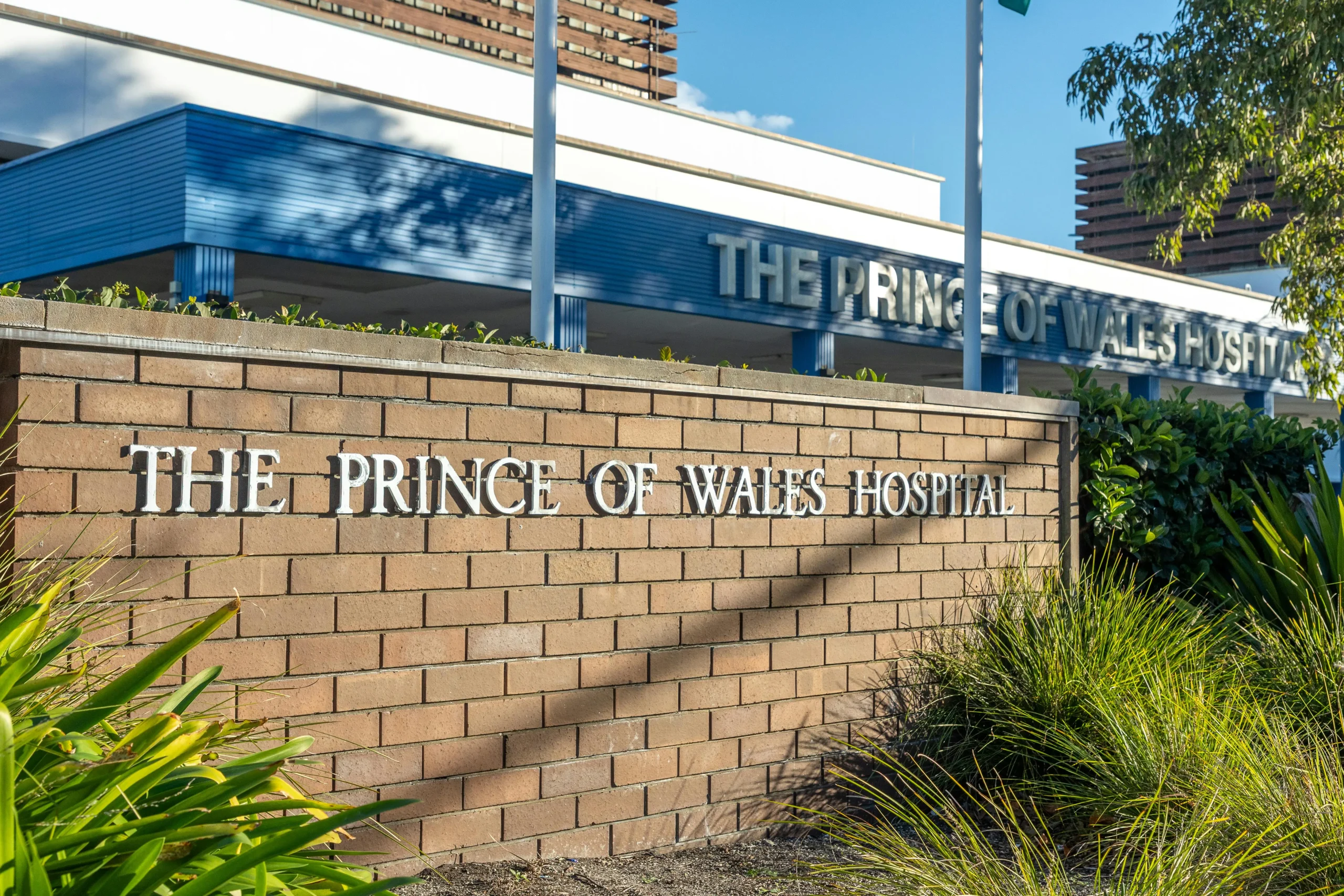
While Australia’s public healthcare system, Medicare, covers many essential services, out of pocket expenses for dental, optical, and specialist services still apply. Health insurance premiums are also rising, with a family policy averaging AUD 350 per month.
For families with children, education costs, particularly for private schools, can add thousands annually. University fees and living costs for students have also increased, making student budgeting more challenging.
8. Comparison: Major Cities vs Regional Areas
Sydney and Melbourne remain the most expensive cities to live in. A single person’s monthly costs (excluding rent) average AUD 1,800–2,000, while rent pushes totals close to AUD 4,000. In contrast, regional areas like Adelaide, Hobart, or Darwin offer significantly lower living costs, often under AUD 3,000 total per month. However, job opportunities and access to services might be more limited in these regions.
9. Outlook into 2025: What’s Changing
The government is introducing new measures in 2025, including tax cuts for middle income earners and increased energy rebates. These are expected to slightly offset the cost pressures. However, with international conflicts and global economic slowdowns, Australia’s economic resilience will be tested.
The Reserve Bank is closely monitoring inflation, and interest rate adjustments are expected in the second half of 2025. These may affect mortgages, rent, and borrowing power significantly.
10. Tips to Cope: Stretching a Budget in 2025
To manage the rising cost of living in Australia in 2025, consider:
- Moving to more affordable regional towns
- Using public transportation instead of owning a car
- Applying for available state and federal rebates
- Budgeting groceries and using discount retailers
- Sharing accommodation to lower rent costs
While the cost of living in Australia: what to expect in 2025 brings challenges, understanding trends and making smart financial choices can help you stay ahead. Whether you’re a student, worker, or family, staying informed and budgeting wisely will be key to navigating the year successfully.