
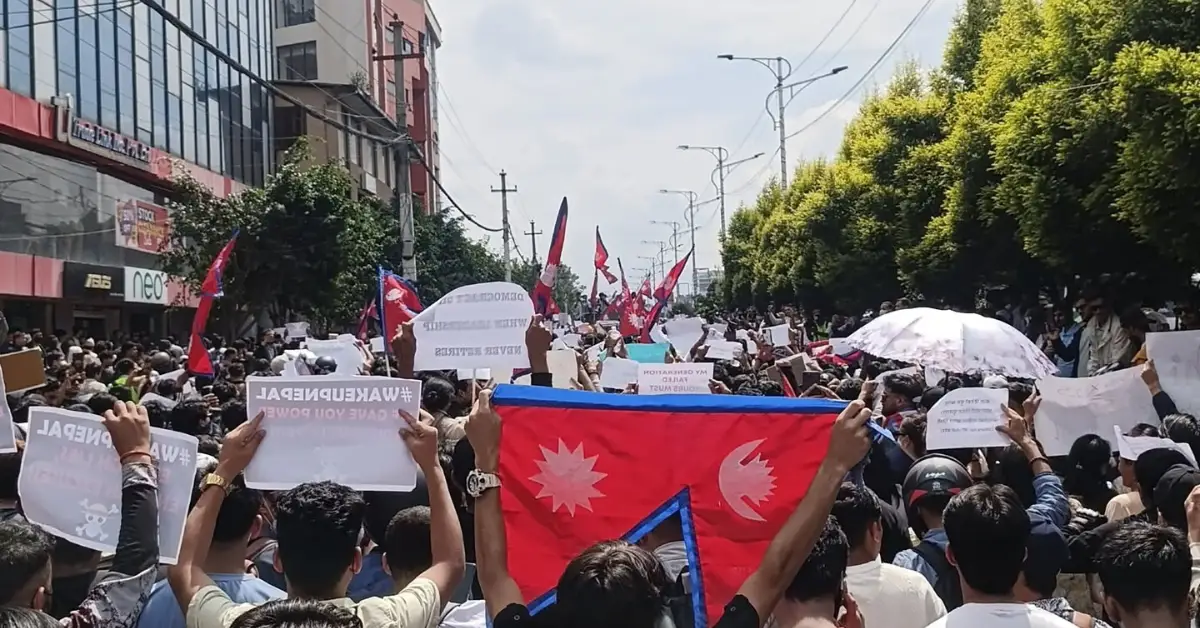
Nepal is experiencing a wave of anti-corruption protests that has caught global attention. Thousands of citizens are demanding transparency, accountability, and justice in governance. While these demonstrations are shaping domestic politics, many Nepalese who are preparing to study, work, or travel abroad are asking a pressing question: “Will this affect my chances to secure visas abroad?”
The good news is the answer is largely no. Despite political unrest at home, the process of securing visas abroad for education, employment, or travel continues almost as usual. International embassies, universities, and immigration departments focus on individual eligibility, not local protests.
In this blog, we will explore 7 powerful reasons Nepalese can still secure visas abroad successfully. Along the way, we will also touch on practical insights such as Australian visa processing time and Canada student visa processing time, both of which remain critical for students and workers planning their future overseas.
Nepal’s Protests and People’s Concerns
The recent protests in Nepal are centered on the demand for anti-corruption reforms and systemic accountability. These movements highlight public frustration with governance, but they have also raised doubts among families planning to send their children abroad or workers seeking foreign employment.
Some common concerns include:
- Will embassies delay or stop visa services during protests?
- Could political instability reduce the chances of visa approval?
- Will foreign countries lose trust in Nepalese applicants?
To answer these, it’s important to separate domestic challenges from international immigration systems. The process to secure visas abroad depends on applicants’ personal eligibility, documentation, and destination-country requirements, not Nepal’s political situation.
Reason 1: International Visa Systems Operate Independently
Immigration systems across countries like Australia, Canada, the UK, and the USA operate independently from Nepal’s political environment. Decisions are made based on personal qualifications, supporting documents, and financial proof.
Even during Nepal’s past periods of unrest, such as the Maoist insurgency or the Madhesh movement, embassies continued issuing visas to eligible applicants. Protests might create temporary disruptions in embassy office hours, but they do not change the fundamental criteria used to secure visas abroad.
In fact, immigration departments of most countries clearly state that their focus is on:
- Proof of finances
- Educational credentials
- Intent to return (for student and visitor visas)
- Employment contracts (for work visas)
This means that while political events in Nepal may dominate headlines, your individual application remains the determining factor.
Reason 2: Strong Global Demand for Nepali Workforce
One of the most powerful reasons Nepalese can still secure visas abroad is the global demand for Nepali workers.
Countries like:
- Australia (hospitality, healthcare, construction)
- Japan (technical internships, nursing, caregiving)
- Gulf nations (Qatar, UAE, Saudi Arabia for construction and services)
- European destinations (seasonal work and care jobs) are consistently hiring Nepali citizens.
Labor migration from Nepal contributes significantly to the economy, with remittances accounting for around 25-30% of Nepal’s GDP. This global dependence means that, despite protests, foreign governments and employers remain eager to welcome Nepali workers.
This demand ensures that pathways remain open and makes it easier for eligible applicants to secure visas abroad if they can meet the requirements.
Reason 3: Education Opportunities Abroad Remain Open
For students, one of the biggest concerns is whether the protests will limit their chances to pursue higher education abroad. Fortunately, the answer is no.
Universities abroad are more focused on:
- Academic transcripts
- English proficiency scores (IELTS, PTE, TOEFL)
- Personal Statements or SOPs
- Financial capability
than the political scenario in Nepal.
Australian and Canadian Student Pathways
- Australian visa processing time may vary depending on the category, but it continues to function smoothly. Many Nepalese are still receiving approvals within standard timelines.
- Canada student visa processing time also remains largely unaffected. Students who prepare early and provide strong documentation are still securing visas abroad successfully.
Educational institutions abroad value diversity, and Nepalese students make up a significant percentage of international enrollments. Political unrest in Nepal does not discourage universities from admitting qualified candidates.
Reason 4: Travel & Tourism Agreements Stay Intact
Nepalese seeking short-term visas for tourism or business also need not worry. Bilateral travel agreements and visa facilitation arrangements are signed between governments, not protest groups.
For example:
- Schengen visas for Europe continue to be available for Nepalese travelers.
- Regional travel to countries like Thailand, Malaysia, and Singapore is unaffected.
- Business travelers are still securing visas abroad to attend trade shows, expos, and conferences.
While temporary disruptions like road blockages in Kathmandu may affect embassy access for a few days, they do not fundamentally stop the flow of visas.
Reason 5: International Confidence in Nepali Diaspora
Another powerful reason Nepalese can still secure visas abroad is the trust and reputation the community has built globally.
- Nepalese are widely recognized as hardworking, disciplined, and resilient.
- Gurkhas, healthcare workers, and hospitality staff from Nepal have long earned global respect.
- The Nepali diaspora in countries like Australia, the US, Canada, and the UK is growing stronger, with many contributing positively to their adopted countries.
This global reputation boosts confidence in new applicants. Immigration officers often view Nepalese applicants positively, provided all documentation is in order.
Reason 6: Anti-Corruption Protests Show Democratic Maturity
While some may fear that protests make Nepal appear unstable, the reality is that global observers often interpret peaceful demonstrations as a sign of democratic maturity.
Foreign governments recognize that citizens demanding accountability is a positive step toward strengthening governance. Instead of harming Nepal’s reputation, these movements can actually boost the perception that Nepalese people value justice and transparency.
This can indirectly help applicants secure visas abroad because countries often prefer applicants from societies that respect democratic processes.
Reason 7: Visa Applicants Judged Individually
Perhaps the most reassuring fact is that every visa application is judged individually.
- Immigration officers review:
- Educational qualifications
- Financial documents
- Purpose of visit
- Past travel history
- Ties to home country
The political context of Nepal has very little weight in the decision. If you are a strong candidate, you will still secure visas abroad, regardless of domestic protests.
Practical Tips for Applicants During Protests
While protests don’t affect visa approvals directly, applicants should take some precautions:
- Apply early: Protests can sometimes delay embassy operations. Applying in advance avoids risks.
- Keep documents ready: Ensure your academic, financial, and personal documents are updated.
- Track embassy updates: Follow official websites and announcements.
- Avoid unauthorized agents: Work only with recognized consultants or directly with embassies.
- Stay informed on processing times: Keep track of Australian visa processing time and Canada student visa processing time, since they vary depending on volume and category.
Expert Insights & Testimonials
Migration Expert’s View:
- “Political unrest in Nepal has historically never impacted visa issuance abroad. Applicants who meet eligibility criteria continue to receive approvals.”
Student Testimonial:
- “I applied for my Canadian study visa in July during the protests. Despite the situation at home, I received my approval within the normal Canada student visa processing time.”
Worker’s Experience:
“My employer in Qatar processed my work visa as usual. The protests in Nepal had no impact on my application.”
These real-life examples demonstrate that eligibility outweighs political climate.
Nepal’s current anti-corruption protests represent an important step in strengthening democracy and accountability. However, for Nepalese aspiring to go abroad, these protests are not a barrier.
To summarize, here are the 7 powerful reasons Nepalese can still secure visas abroad:
- Visa systems operate independently of Nepal’s politics.
- Strong global demand for Nepali workers continues.
- Education opportunities abroad remain open.
- Travel and tourism agreements stay intact.
- The Nepali diaspora enjoys a strong global reputation.
- Protests signal democratic maturity, not weakness.
- Visa applicants are judged individually.
The key takeaway is clear: if you prepare well, maintain strong documentation, and stay focused, you can still secure visas abroad and pursue your dreams in countries like Australia, Canada, Europe, and beyond.
FAQs
Q1: Will the protests in Nepal delay my visa application?
- Not directly. Embassies may face temporary closures, but your eligibility matters most.
Q2: Does political unrest affect Australian visa processing time?
- No. Australian visa processing time depends on application volume and category, not Nepal’s protests.
Q3: What about Canada student visa processing time?
- The Canada student visa processing time continues as per regular cycles. Strong applications are still approved.
Q4: Should I wait until protests end to apply?
- No. Delays may hurt your plans. Apply early with complete documentation.
Q5: Do foreign governments consider Nepal unstable?
- Peaceful protests are often seen as democratic progress, not instability.